
Quote requests open in Washington County
Spray Foam Insulation in St. George, UT
Closed-cell and open-cell spray foam for homes, shops, and new construction across St. George, Washington, Hurricane, Santa Clara, and Ivins. Free quotes, straight answers, and a local installer who knows what a Southern Utah attic does in July.
- Locally Owned
- Free Quote Requests
- Local Service

Request a free St. George spray foam quote
Tell us a bit about your project. Every job is different and is priced for the specific property. A local contractor follows up on inquiries.
Thanks. We got it.
We will be in touch within an hour during business hours. If you need to reach a contractor right now, give the line below a call.
Call (435) 253-6847What We Install
If your power bill climbs every summer no matter how low you set the thermostat, the problem usually isn’t your AC. It’s what’s above your ceiling. Most homes around St. George were built with fiberglass batts sitting in a vented attic, and in a climate that runs past 100 degrees from June through August, that setup just can’t keep up. Attic temperatures here regularly hit 140 degrees or hotter, and all that heat pushes straight down into the rooms you’re paying to cool.
Spray foam insulation fixes the problem at the source. It seals the gaps, cracks, and penetrations that fiberglass leaves wide open. It also holds its shape. Batts sag and settle after a few summers, foam doesn’t budge once it’s cured. We connect homeowners and builders across Washington County with a vetted local spray foam contractor who handles closed-cell and open-cell work for attics, walls, crawlspaces, shops, and new builds.
-
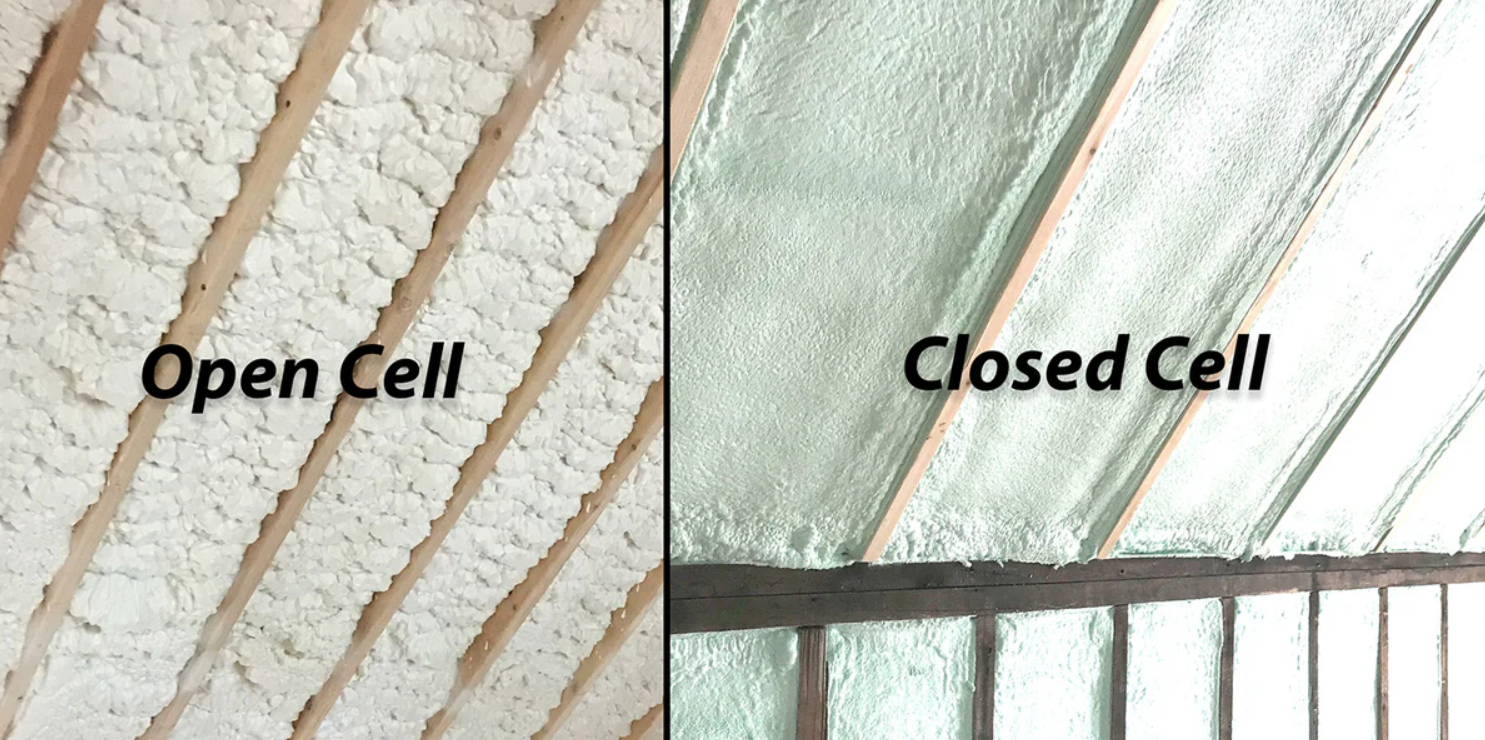
Closed-Cell Spray Foam info page
The denser, higher-R-value option. Closed-cell adds rigidity, blocks moisture, and delivers the most thermal performance per inch, which matters when attic space is tight. The go-to for crawlspaces and metal buildings.
Typical: $3,000 – $15,000
-
Open-Cell Spray Foam info page
Lighter and more affordable, and good at filling irregular cavities and deadening sound. A strong pick for interior walls and roof decks where moisture control isn't the main concern.
Typical: $1,500 – $8,000
-
Attic & Roofline Insulation info page
Foaming the roofline brings the attic inside your home's envelope. Your HVAC equipment stops baking in 140-degree air and starts running in conditioned space. The biggest single upgrade most St. George homes can make.
Typical: $2,500 – $10,000
-
New Construction & Pole Barn Spray Foam info page
Washington County keeps building, and foam at the framing stage is cheaper and cleaner than a retrofit. Homes, additions, and the shops and pole barns going up behind them.
Typical: $3,000 – $25,000 (varies by build)
Where We Work
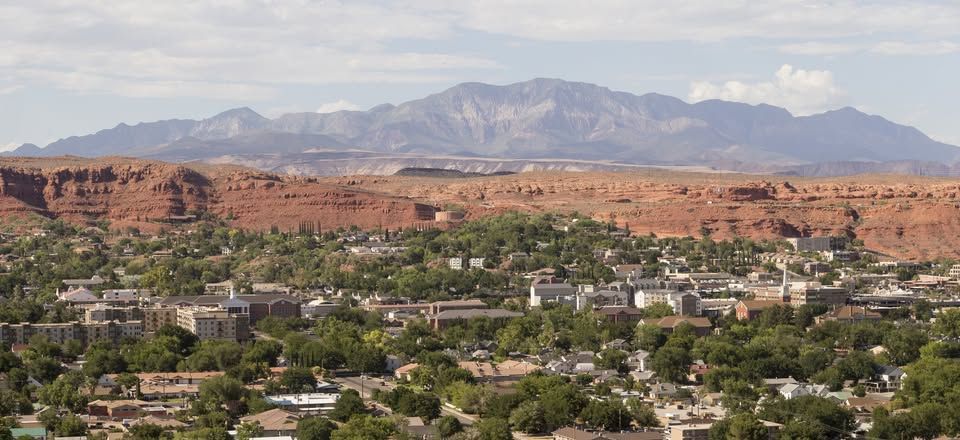
St. George is home base, but the service area covers most of Washington County. That means Washington and the Green Springs area, Hurricane out toward Sand Hollow, Santa Clara, and Ivins over near Kayenta and Snow Canyon. It also takes in the newer corridors that keep filling in, like Little Valley and Desert Color. New developments such as Tech Ridge on the St. George bluff are adding homes and offices through 2026, and just about all of that construction needs insulation done right the first time.
Not sure if you’re in range? Call and ask. If we can’t help, there’s a good chance we know someone who can.
-
St. George, UT
Home base. St. George passed 100,000 residents recently and keeps adding thousands a year, so the work here runs the full range, from foaming the roofline on a 1990s home to insulating a brand-new build in a corridor like Little Valley or Desert Color. Whatever the project, an attic that hits 140 degrees in July is the common enemy.
-
Washington, UT
Washington City just north of St. George is one of the fastest-growing cities in the state, with new residential and commercial construction going up along the I-15 corridor every year. A lot of spray foam work here happens at the framing stage on new homes, where foam costs less and seals better than a retrofit ever will.
-
Hurricane, UT
Hurricane has grown steadily for decades and lands on Utah's fastest-growing list year after year. It's also spread out, with a mix of older homes near downtown and newer construction pushing toward Sand Hollow. Older roofs and attics here are usually the priority, since that's where desert heat does the most damage to a cooling bill.
-
Santa Clara, UT
Santa Clara is a smaller community west of St. George that's still seeing new development, including new housing breaking ground as recently as 2026. It's the kind of place where we handle both new builds and retrofits on established homes, and the red rock summer heat makes a sealed envelope worth it on either one.
-
Ivins, UT
Ivins sits out near Snow Canyon and Kayenta, and a good share of the housing is view-focused custom homes with the kind of irregular rooflines and open layouts that fiberglass batts struggle with. Spray foam fills those awkward cavities and seals the envelope in a way batts just can't match.
-
La Verkin, UT
La Verkin is a small Washington County city right next to Hurricane, with a housing stock that's mostly newer, the median home went up around 1997, with a wave of construction in the 2000s. Those homes are old enough now that the original insulation is worth a second look, especially in the attic.
-
Toquerville, UT
Toquerville is a small city north of St. George that's set up for major growth, with the Toquerville Parkway and thousands of planned new homes over the coming years, including a 55+ community. Most of the spray foam opportunity here is new construction, where insulating at the framing stage is the cheaper, cleaner path.
-
Cedar City, UT
Cedar City sits about 50 miles north up I-15, and at roughly 5,800 feet of elevation it runs noticeably cooler than St. George. It's growing fast, with thousands of new homes in the development pipeline, but the insulation priorities flip a bit here, cold winters matter as much as hot summers, and spray foam handles both.
-
Bloomington Hills, UT
Bloomington Hills is an established St. George neighborhood built around the city golf course, with development that started in the 1980s and continues today. That means a real mix of housing ages side by side. The older homes are prime candidates for an attic and roofline upgrade, since insulation standards have moved a long way since then.
Spray Foam in a Desert Climate
Here’s an opinion not every insulation company will say out loud: in this climate, fiberglass batts in a vented attic are close to a waste of money. They don’t air-seal. They lose performance as they age. And they do nothing about the superheated air moving through your attic all summer long. Spray foam costs more up front. It also actually does the job.
There’s a few reasons homeowners across St. George keep choosing it anyway. It pays itself back through lower cooling bills, and around here those bills are no joke, with summer utility costs in the area commonly running over $250 a month. It evens out the rooms that never seem to match the rest of the house. And it holds up for the long haul without compressing or sagging. When you request a quote on this site, you aren’t getting passed around between five contractors. Every quote goes to one licensed, insured local installer who knows Southern Utah construction.
-
Why a desert attic punishes your AC
From June through August, St. George attics regularly climb past 140 degrees. That heat radiates down through the ceiling, and your air conditioner spends all day fighting it. Sealing and insulating the roofline takes that fight away.
-
Comfort that works both ways
Summer gets the attention, but spray foam earns its keep in winter too. The same air-seal that keeps 140-degree attic heat out also holds heat in on cold nights, and winter lows in St. George dip below freezing more often than newcomers expect.
-
Built for Washington County's growth
With construction still going strong across the county, including new corridors like Tech Ridge on the bluff, a lot of spray foam work happens at the framing stage. Foaming during a build costs less and seals better than coming back for a retrofit.
-
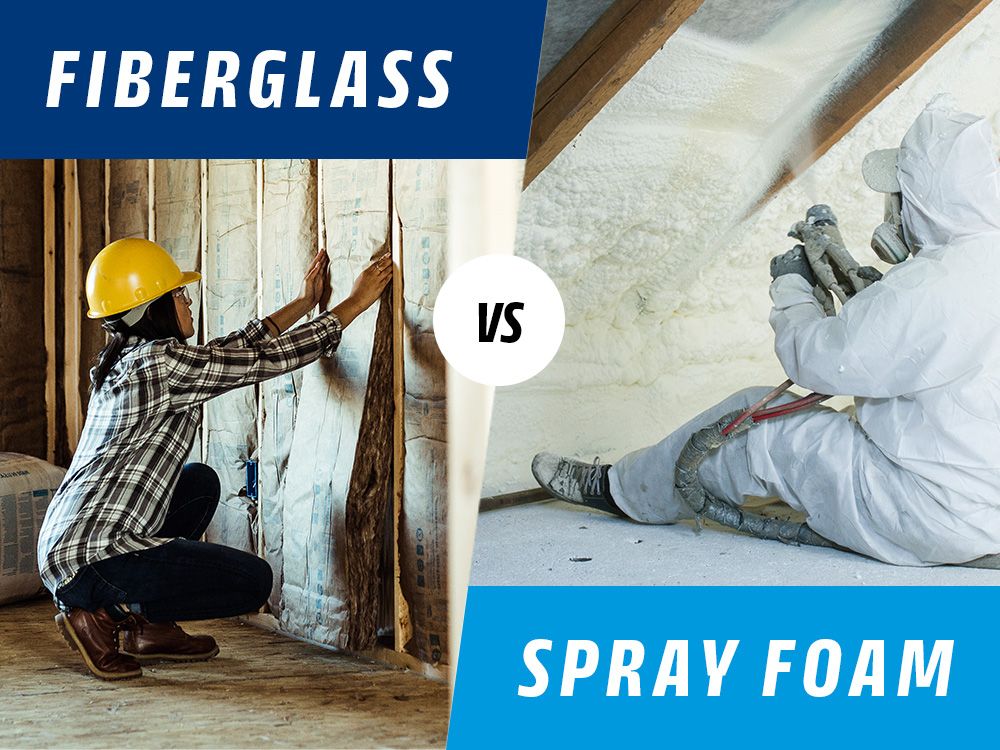
What foam does that fiberglass can't
Fiberglass leaves a gap at every wire, pipe, and joist it has to work around. Spray foam expands to fill those gaps and air-seals the cavity as one piece. That's also why it doesn't give rodents the easy nesting space loose batts tend to.
Every insulation work project is different and will be priced and scoped to fit your specific property, square footage, and timing. Submit your details for a free quote from a local St. George-area contractor.
Common Questions About Spray Foam
How much does spray foam insulation cost in St. George?
It depends on the area covered, the type of foam, and whether it's new construction or a retrofit. As a rough range, a residential closed-cell job usually lands between $3,000 and $15,000, with open-cell coming in lower. Your free quote gives you a real number for your specific home, no guessing.
Open-cell or closed-cell, which one do I need?
Closed-cell gives you higher R-value per inch plus a moisture barrier, so it suits crawlspaces, metal buildings, and tight attic spaces. Open-cell is more affordable and great for interior walls and sound dampening. For most St. George attic and roofline jobs, the installer walks you through the tradeoff based on your space and budget.
Will spray foam actually lower my summer cooling bills?
Yes, and that's the main reason people here install it. By air-sealing the envelope and stopping heat transfer through the roofline, spray foam takes a real load off your AC. A desert attic in July is a whole different animal than an attic in a mild climate, and foam is built for this kind of heat.
Are you licensed and insured?
We only partner with licensed and insured contractors. Every request for a quote on this site goes to a single spray foam contractor who is always verified licensed and insured.
Get Your Free Spray Foam Quote
Tell us about your project. An attic that turns the upstairs into an oven, a new build that needs foam at the framing stage, a crawlspace, a shop, or a whole house that never feels right in August. Fill out the quote form with your name, phone, and a short description of what you’re working with, and you’ll hear back from a local installer instead of a call center.